
What to do with an old artificial Christmas tree? 20 ideas for creative uses for your Christmas tree
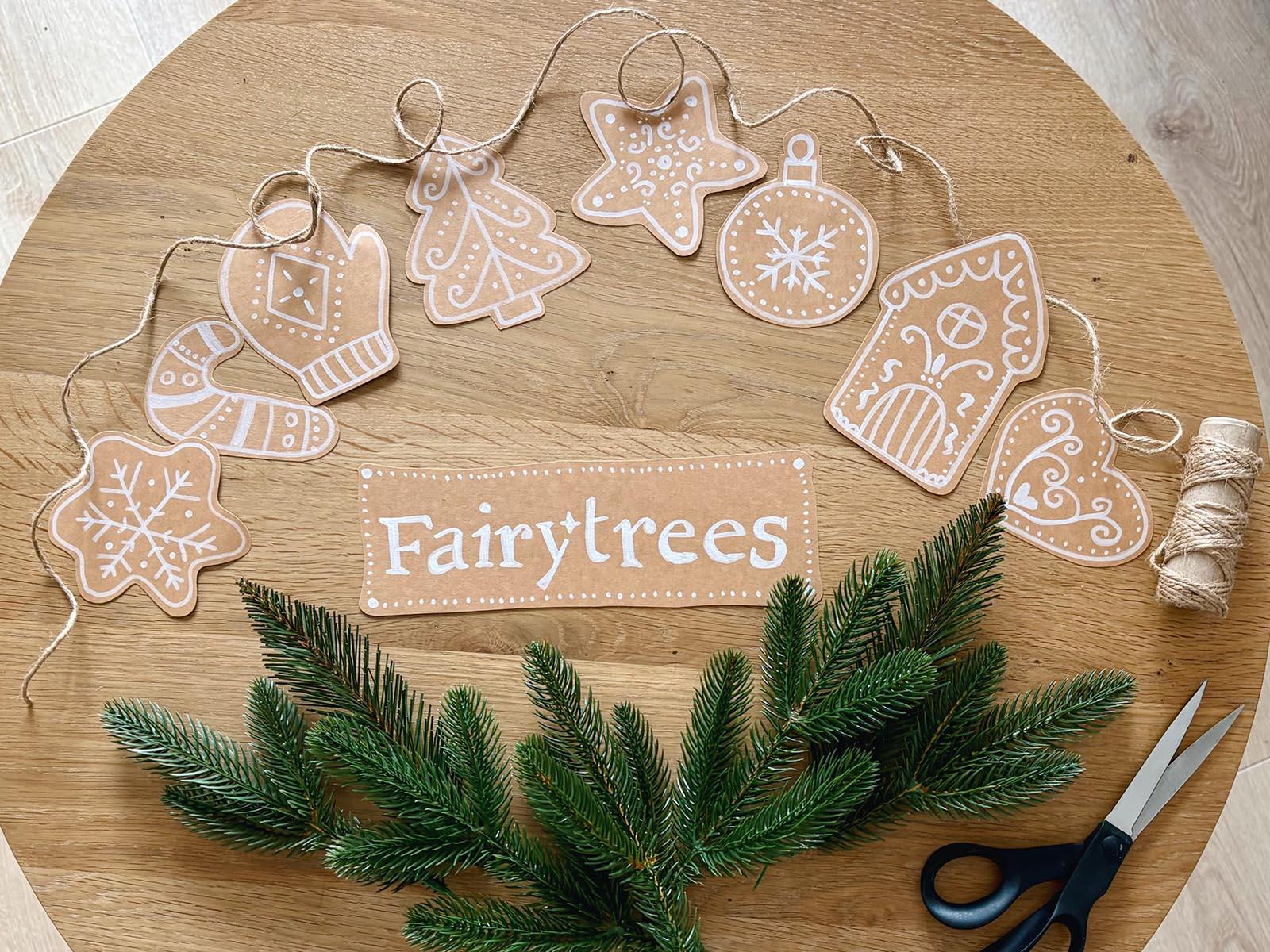
Has your old artificial Christmas tree thinned out a bit, and do you promise yourself every year that you’ll do something with it? Artificial trees are a popular choice for holiday decoration, offering a reusable and sustainable alternative to real trees. Instead of throwing it away, why not turn it into garlands, wreaths, a miniature forest for your windowsill, table decorations and polished gifts? One tree can provide a whole set of decorations that can be used throughout the season, not just during the holidays. Learn how to put your old artificial Christmas tree to creative use.
- You can make garlands for stairs and doors, wreaths, swags and mini Christmas trees for every room from one old tree. This gives your entire home consistent décor without the need to buy new decorations.
- Twigs can be used for centrepieces, table decorations, place cards, napkin rings and gift accessories. The table and presents under the tree will look both elegant and natural.
- You can also turn parts of the tree into commemorative baubles, year-round seasonal trees and green compositions for your living room, hallway or office. This gives your old Christmas tree a second life, rather than gathering dust in the basement. Eventually, everyone is bound to decide what to do with their artificial tree as its lifespan comes to an end.
Many Christmas trees have a similar story. For several seasons, they play the starring role in the living room until a denser, more ‘on-trend’ one finally appears. The previous tree is put away in a box, in case it might still be useful, but over the years it becomes a burdensome piece of luggage labelled ‘too good to throw away’.
This moment can be dispelled. An old artificial Christmas tree can be transformed into a treasure trove of creative decoration ideas for your stairs, doors, table, gifts and hallway. If you don’t want to throw away your old artificial Christmas tree and are looking for practical solutions, our collection of ideas for using an old artificial Christmas tree is just what you need. No technical information or complicated tools required! Just easy, simple projects that you can do at home with your children!
Table of contents:
- Garlands, wreaths and swags from twigs
- Garlands for stairs or door frames
- Mini Christmas trees that fit anywhere
- Living room decorations and wreaths for the whole season
- Zero waste table and gift decorations
- Or maybe leave the Christmas tree intact but change its purpose?
- How should you take down an old Christmas tree?
- Where should you dispose of an old artificial Christmas tree in Europe?

Garlands, wreaths and swags from twigs
A classic Christmas tree can inspire a whole collection of decorations for doors, stairs, walls and mirrors. You can reuse branches from your artificial tree to create a woodland garland, making this an eco-friendly way to give new life to old materials. All you need are twigs, wire, cable ties and ribbons.
Garlands for stairs or door frames
Garlands are the most charming way to use twigs. Hang it over the stair railing, arrange it around the front door frame or use it to decorate a shelf.
It looks impressive, and the process of creating it is very simple. Arrange the green twigs into a long strip. Secure the individual elements by overlapping them and tying them together with wire or cable ties. The closer you bring the twigs together, the denser the garland will look.
Weave thin fairy lights into the centre. If you have small children, it is a good idea to choose battery-powered models without a cable hanging on the floor.
Mirror decoration
Decorating the area around your mirror will make your hallway, bedroom or living room even more interesting. The mirror reflects greenery and light, making the whole space seem denser.
If you want to decorate around a mirror, first measure its width and height. Form the garland into a U-shape or rectangle around the mirror. For a natural look, do not arrange the branches in perfect symmetry. A slight asymmetry will make the decoration resemble living greenery. Find your own creative arrangement using artificial tree branches to suit your style and space. For a wow effect, add one main accent instead of many small details; for example, attach a wide fabric bow in the middle.
Classic wreath from a small circle
A classic wreath looks great in the kitchen, above a chest of drawers or in a window. It can be traditionally festive, but also looks great in winter, forest or minimalist versions when colours are limited to green, white and wood. Such a wreath nicely 'closes' the wall composition and adds softness to the interior.
To make a wreath, you will need a small metal, wicker or straw ring. Arrange the Christmas tree branches on the base in layers, always in one direction, ensuring that the end of each subsequent branch covers the attachment point of the previous one. Secure them with florist's wire, then add a few selected decorations to one section of the wreath instead of covering the whole thing evenly. This gives the composition a modern, calm look.
XXL wreath on a hula hoop ring
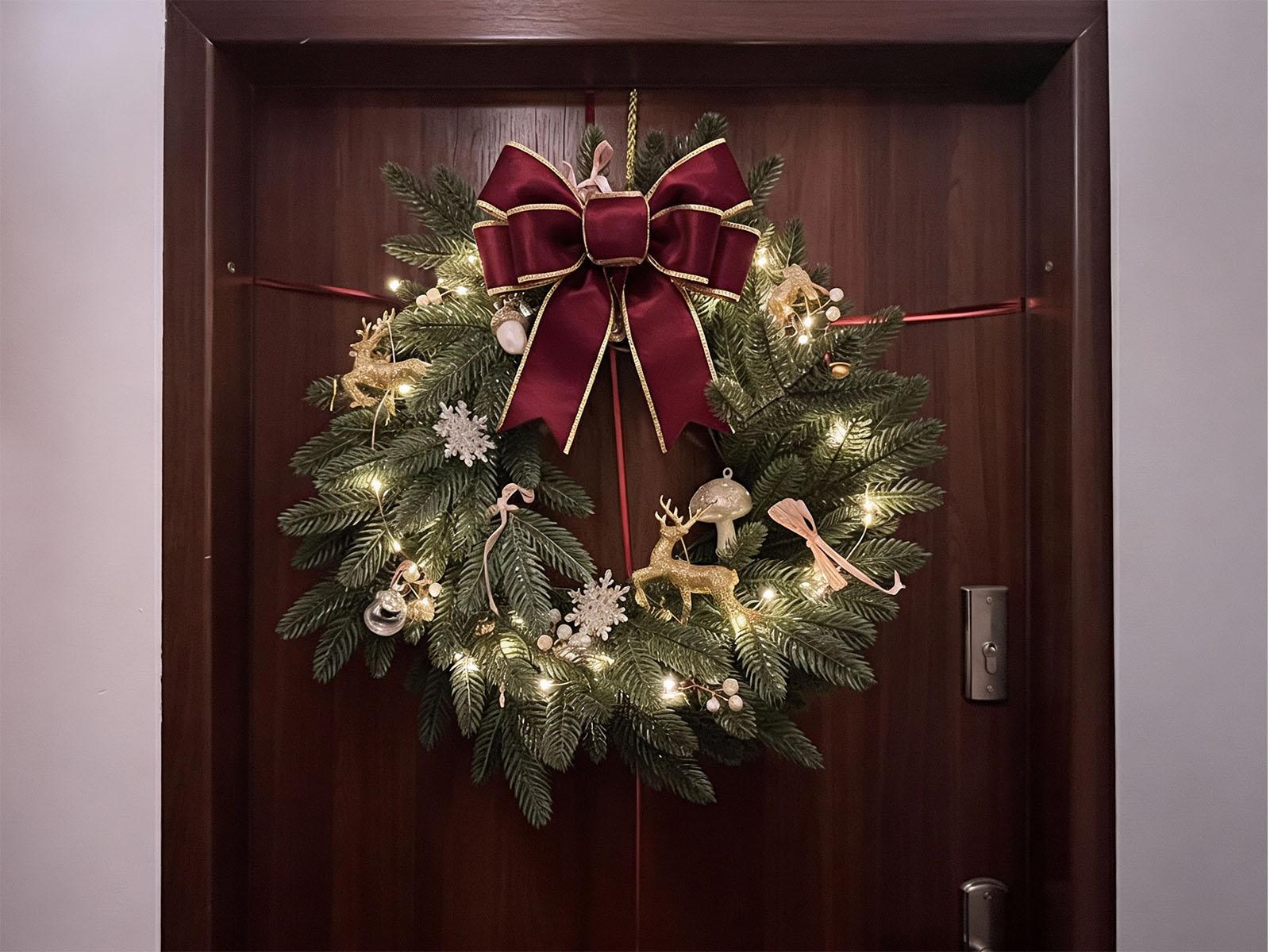
An XXL wreath creates a striking effect when an old artificial Christmas tree turns into a bold decorative piece for a large door or empty wall. It works particularly well in larger living rooms and stairwells where standard decorations ‘get lost’. It’s an effective way to make a large space cosy without adding extra furniture.
The base is a hula hoop, preferably in a neutral colour or wrapped with tape. Secure Christmas tree branches to it every few centimetres with wire. You can cover the entire circumference with greenery, or create a design only on part of the hoop — for example, on the lower arch. Finally, add lights and hang the wreath on a strong hook, ensuring that the wall or door can support its weight.
Signs made of twigs
Add a touch of humour and lightheartedness with signs made of twigs. They look great in the living room, children’s room, on the front door or above the dining room table. They can spell out words such as ‘JOY’, ‘HOME’, ‘NOEL’ or ‘LOVE’, or form a short name. Once you’ve decided on the word or shape for your sign, you can get creative with colours, ribbons, or even add small ornaments to personalize your decoration. This decoration can easily be adapted to suit the style of the interior by simply changing the ribbon.
To create an inscription, use twigs with visible wire inside. Form the letters by gently bending the twigs and, if necessary, reinforce the shape with additional wire. Attach the finished letters to a slat, frame or board, or hang them directly on the wall using adhesive hooks. If the decoration is for a child’s room, wrap the areas with visible wire in ribbon or string to make them soft to the touch.
Swags for the wall
A swag is like a bouquet, but made from pieces of the forest. They look great on doors, next to door handles, on hallway walls, or on wardrobe doors in living rooms. Short, dense clusters of twigs tied with a long ribbon and pine cones create an elegant, visually light decoration.
To make a swag, gather six to ten twigs and align their upper edges. The twigs should be laid so that the lower ends spread out naturally, creating a fan effect. Tie the middle tightly with wire or florist’s tape, then cover the binding with a wide ribbon. Add pine cones — which you can paint gold — or other decorations to the front, then hang the finished swag on a door handle or hook.
This decoration does not have to be typically festive. For a winter version, use pine cones, warm fabrics and muted colours.
Mini Christmas trees that fit anywhere
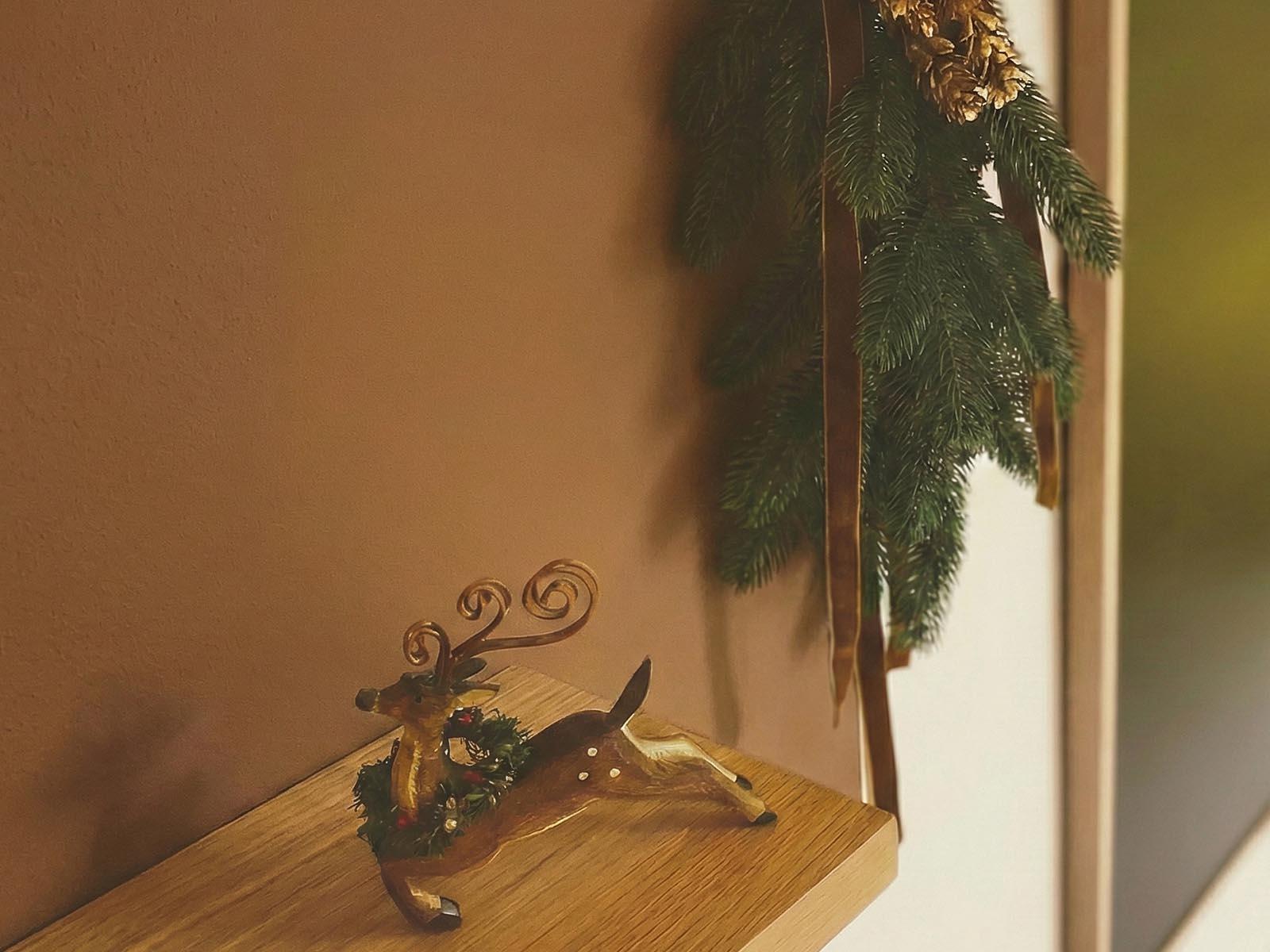
An old artificial Christmas tree can be turned into a mini forest. These mini Christmas trees can be placed in various rooms around the house, adding festive charm to living rooms, bedrooms, or entryways. This is a great option for small apartments, offices or children’s rooms.
Mini Christmas tree from the top segment
This mini Christmas tree is perfect for tables, dressers, desks and children’s rooms. It brings the Christmas spirit to smaller rooms without taking up too much space. It’s also ideal for home offices where you want to add a touch of magic without making major changes to the space.
Choose the top part of an old Christmas tree that still looks good, cutting it off just below where the branches are dense. If your tree consists of several segments, you can use only the top one. Place the top in a heavy vase, a basket with a weighted base or a wide pot and fill the surrounding space so that it stands stably. Spread out the branches and add a few small decorations and delicate lights. Once you’ve finished decorating, your mini tree is ready to be displayed.
Mini Christmas trees on a cone
Mini Christmas trees on a cone create the effect of a small forest, especially when placed next to each other on a windowsill or chest of drawers. They are ideal for small apartments, narrow shelves and places where height is more important than width. Making these mini trees is a fun activity to do with family or friends, adding a playful touch to your holiday décor. They can be adapted to suit different styles, ranging from the very natural to the more glamorous.
To make one, you will need a cone made of cardboard, polystyrene or foam. Cut the branches of the Christmas tree into shorter pieces and wrap them around the cone from the bottom up, securing them with wire or florist pins. Arrange them so that the base is not visible. Finally, add a few small decorations or leave the cones green. Three different heights arranged next to each other look particularly interesting.
Composition in a pot
A composition in a pot acts as an “evergreen” element of decor that you can change seasonally, adding variety to your interior. It looks great in the living room, either next to the sofa or in the hallway. Although it takes up less space than a full-size tree, it still gives the impression of lush greenery.
Choose a large pot or basket that you would normally use for plants. Place something heavy in the bottom to keep the arrangement stable, such as stones. Arrange branches from an old Christmas tree inside to create a spreading shape. In winter, add pinecones, lights, and other things like festive decorations, and after the holidays, replace them with more neutral things such as dried grasses, natural ribbons, or delicate textile flowers.
Living room decorations and wreaths for the whole season
Your old Christmas tree doesn’t have to be thrown away in December. You can turn it into holiday decorations that will brighten up your home all winter long.
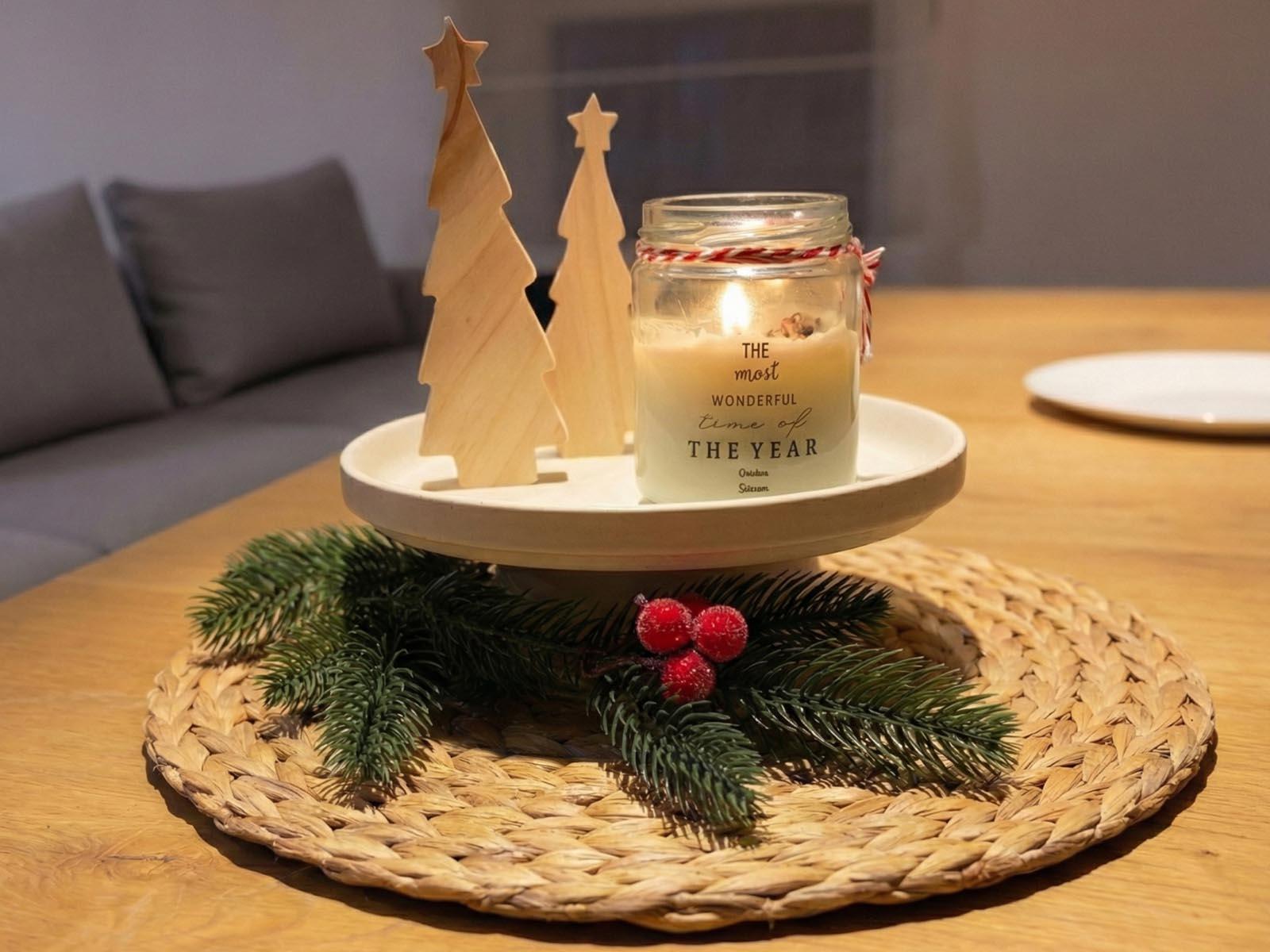
Botanical centrepiece on a platter
This is perfect for the living room, dining room and bedroom, especially if you like decorations that can easily be moved around. It combines greenery, light and natural accessories to create a cosy yet unobtrusive look.
Arrange a few twigs on a flat platter or tray to create a soft green base. Place pinecones, dried orange slices or other accessories you like on top. Make sure the centre of the arrangement is clearly defined, leaving the sides a little lighter. The whole thing can be moved in one go if necessary, for example when you need to set the table.
Green composition for a tall vase
This green arrangement is perfect for filling empty corners of the living room, spaces by the window or the area next to a chest of drawers. It adds a vertical element to the interior and makes the ceiling appear higher. It is an ideal choice for minimalist apartments where you don't want to add lots of small decorations.
Place longer branches from an old Christmas tree in a tall vase and arrange them to create a slightly irregular shape. You can also add a few branches from the garden, dried plants or decorative grasses. Place thin string lights in the centre of the composition that you can turn on in the evening. This will give the greenery depth and make the whole thing look like a modern version of a tree.
Decorative balls made of twigs
These balls create a striking focal point in the living room, hallway or above the dining table. They look good in a window, between rooms, and in high spaces where ordinary decorations would disappear. They have something of an art installation about them, even though they are made of very simple elements.
Use a Styrofoam ball or a ball formed from wire mesh as a base. Stick short pieces of twig into the foam or tie them to the mesh until the entire surface is covered with dense greenery. Then add a ribbon or string to hang them up, and, if you wish, add a few small ornaments in one place. Hang the balls at different heights to create a sense of space in the decoration.
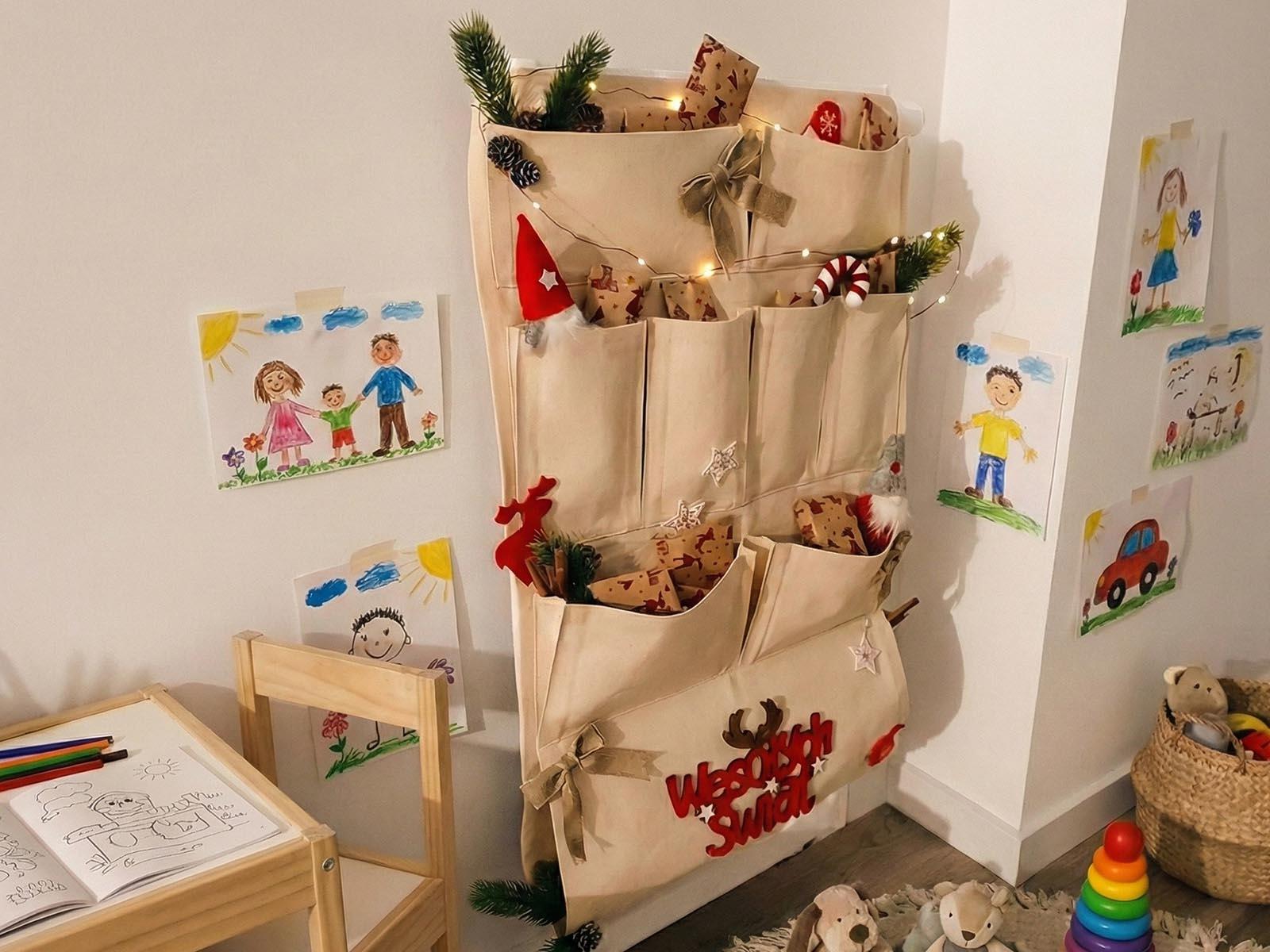
Advent calendar or wall organiser made from twigs
This advent calendar is perfect for a child’s room, hallway or kitchen. It transforms a plain list of tasks into an attractive decoration. It’s also an excellent way to make use of small twigs left over from larger projects.
If you have a wall organiser or calendar with pockets, simply slip a twig or small bouquet of two or three into each one. Any person can personalize the calendar by adding lights on a wire around the frame, or by hiding small surprises, task cards or notes with kind words in the pockets. After the season is over, the person can put the twigs back in the box and use them again next year.
Zero waste table and gift decorations
Old Christmas tree branches are perfect for small accents that make a big impression. These DIY projects are a free or low-cost way to decorate, especially if you like simplicity and a natural style.
Place cards for the holiday table
Place cards made from twigs instantly make the table look more refined. They are perfect for the dining room, but also look great on a small coffee table when you’re entertaining guests for holiday cake. They take up minimal space and give the whole setting a very ‘restaurant-like’ feel.
To make them, simply cut twigs into small pieces and form them into stands. You can either stick them into a notched wine cork for the card, or lay the twig flat and tie the card on with thin string. Place the place card on the plate or next to the cutlery. The whole thing looks very elegant, and you won’t need to buy plastic alternatives. Find your own creative touches by experimenting with different materials or decorations to personalize each place card.
Table napkin holders
Napkin rings made of twigs bring a touch of softness and naturalness to the table. They look good with both white tableware and more colourful dishes. They are ideal for larger dinner parties, but also for smaller, more intimate gatherings where attention to detail is important. Form small circles from thin twigs to match the thickness of the rolled napkin.
Secure the ends together using string, thin wire or ribbon, hiding the attachment point under the needles. Then thread the napkin through the resulting ring. You can add a small decoration, such as a miniature pine cone or a slice of dried orange. The greenery itself is often enough.

Souvenir baubles from an old Christmas tree
Old artificial Christmas trees are often associated with important memories. You don't have to lose those memories. Make small baubles that resemble little time capsules.
Place small pieces of branch from your old tree into a transparent bauble. You could also add a piece of ribbon or a mini card with the date or a short message such as 'First Christmas in our own home'. Close the bauble and hang it wherever you like. Over the years, you will create a whole collection of memories like this, and your tree will gain an additional, completely personal history.
Gift toppers
Toppers made of twigs transform ordinary packages into gifts that are almost too beautiful to open. They look best on paper in muted colours such as brown, white, grey or dark green.
After wrapping the gift in paper, secure it with string or ribbon. Slip short twigs, pinecones or other natural things—such as leftover artificial Christmas tree branches—under the knot. Prepare two or three variations of toppers in advance, for example a simple, classic and more elaborate version. This will make wrapping quick and ensure that all the gifts still look interesting.

Or maybe leave the Christmas tree intact but change its purpose?
Not every old Christmas tree is cut up straight away. Sometimes it’s enough to consider your options and change its purpose.
How about a winter tree for January and February?
This ensures that the festive atmosphere does not disappear abruptly when the lights are turned off. It looks best in the living room, by the window or in a child's room, where light and greenery are welcome even after the New Year. It's a good way to say goodbye to December more gently.
To create a winter tree, simply remove the traditional Christmas decorations, such as Santa Clauses, reindeer and brightly coloured baubles. Leave the lights and natural elements, such as pine cones, wooden pendants or snowflake-shaped decorations. This makes the tree look much calmer while still providing cosy evening lighting. Such a winter tree can remain in the living room until the end of February.
A seasonal tree for all year round
A seasonal tree is like a decorative chameleon. All you need to do is change the decorations and the same tree can be used for several occasions throughout the year.
Leave the tree with just lights and a neutral base, and then change the decorations depending on the occasion:
-
For Valentine's Day, hang hearts and cards with kind messages, as well as warm-coloured lights.
-
In autumn, decorate the tree with mini pumpkins, leaves, and cotton balls.
-
For birthdays, hang balloons, photos, or small greeting cards on it.
Such a tree can stand in a child's room, home office, or hallway, changing with the calendar. This means that the old Christmas tree is no longer associated with December alone, but can accompany you on other occasions too.
Instead of throwing it away, refresh the look!
Sometimes a Christmas tree can look 'tired' simply because of gaps or incorrect proportions. In such situations, refreshing the tree's appearance can transform how it is perceived.
Unscrew the bottom segment and carefully spread out the branches. Fill in any gaps with additional branches cut from less visible areas, or add a green garland to the centre. Also, check the stand, as a more stable base can work wonders. Sometimes a well-groomed tree looks better than a hastily assembled new one.
How to care for an old artificial Christmas tree?
Remember that an artificial Christmas tree differs from a real one not only in appearance, but also in how it is cared for. If you take care of its proper storage and cleaning, an artificial Christmas tree can last for many years.
Storing a Christmas tree
Firstly, it should be stored in a dry, cool place, ideally in its original box or a protective bag. Avoid moisture and direct sunlight, as these can damage the colour and structure of the needles. High room temperatures can also have a negative effect on the appearance of the tree. After removing the decorations, gently fold the tree to avoid damaging the branches.
Cleaning the Christmas tree
Once the holiday season is over, it is a good idea to clean the tree thoroughly to prevent dust from accumulating during storage. Artificial Christmas trees should be cleaned twice a year: once before unpacking, and again after the season is over. Dust and dirt can build up between the needles, so it is best to use a soft cloth to clean them. Do not use water or harsh chemicals, as these can damage the tree.
Bear in mind that artificial Christmas trees can lose their lustre after long storage, so regular cleaning improves their appearance and hygiene. You can read a detailed article on our blog about how to refresh an artificial Christmas tree.
How should you take down an old Christmas tree?
Before you start, it's worth taking a moment to prepare. These tips will make the job quicker and safer.
-
First, take the tree apart. Separate the branches, the trunk, the stand and all the screws. It's easiest to do this in one place, such as on a blanket or large piece of fabric that you can tidy up easily later. Starting out organised will make decorating much easier.
-
Be sure to wear gloves! After cutting a piece off a branch, bend the end of the wire inwards. For decorations within reach of children, cover the end with florist's tape or ribbon.
-
For projects with lights, only use LEDs. Artificial Christmas tree needles do not withstand high temperatures, so save classic candles for other arrangements. Lights on thin wire provide a beautiful, subtle glow and allow you to easily create garlands and wreaths.
Where should you dispose of an old artificial Christmas tree in Europe?
If you are planning to dispose of your old Christmas tree, make sure you do so in accordance with waste segregation rules. In most European countries, artificial Christmas trees are not treated as “standard plastic waste” because they are not packaging and are often made of a mixture of materials.
Instead of sending your tree to landfill, consider donation options. You can donate your old artificial tree to thrift stores, schools, churches, or community centers. Many local organizations and businesses are likely to take used artificial trees for their own holiday decorating. Thrift stores, hospitals, libraries, and schools in your area are great places to start when looking to donate an artificial Christmas tree. Local churches or charities may accept used artificial trees and sell them to put the proceeds back into the community.
How to properly dispose of an artificial Christmas tree? (specific examples)
Germany (DE): The yellow bin is for light packaging, so an artificial Christmas tree should usually go to Sperrmüll or Wertstoffhof / Recyclinghof.
France (FR): ADEME recommends: if the tree is in good condition - keep/donate it; if it is damaged - take it to the déchèterie and check local collection points (through the mairie if necessary).
Italy (IT): Local practice usually classifies Christmas trees as bulky waste (ingombranti) - take them to a centro di raccolta / stazione ecologica or use a bulky waste collection service; lights should be disposed of as WEEE.
Finally, a universal tip: remove decorations and electrical components before disposal, as these almost always have a separate disposal channel.
For the most up-to-date disposal guidelines, view your local municipality's website or resources.