
What are the Post-Christmas Blues? Why do we feel sad after Christmas, and how can we deal with it?
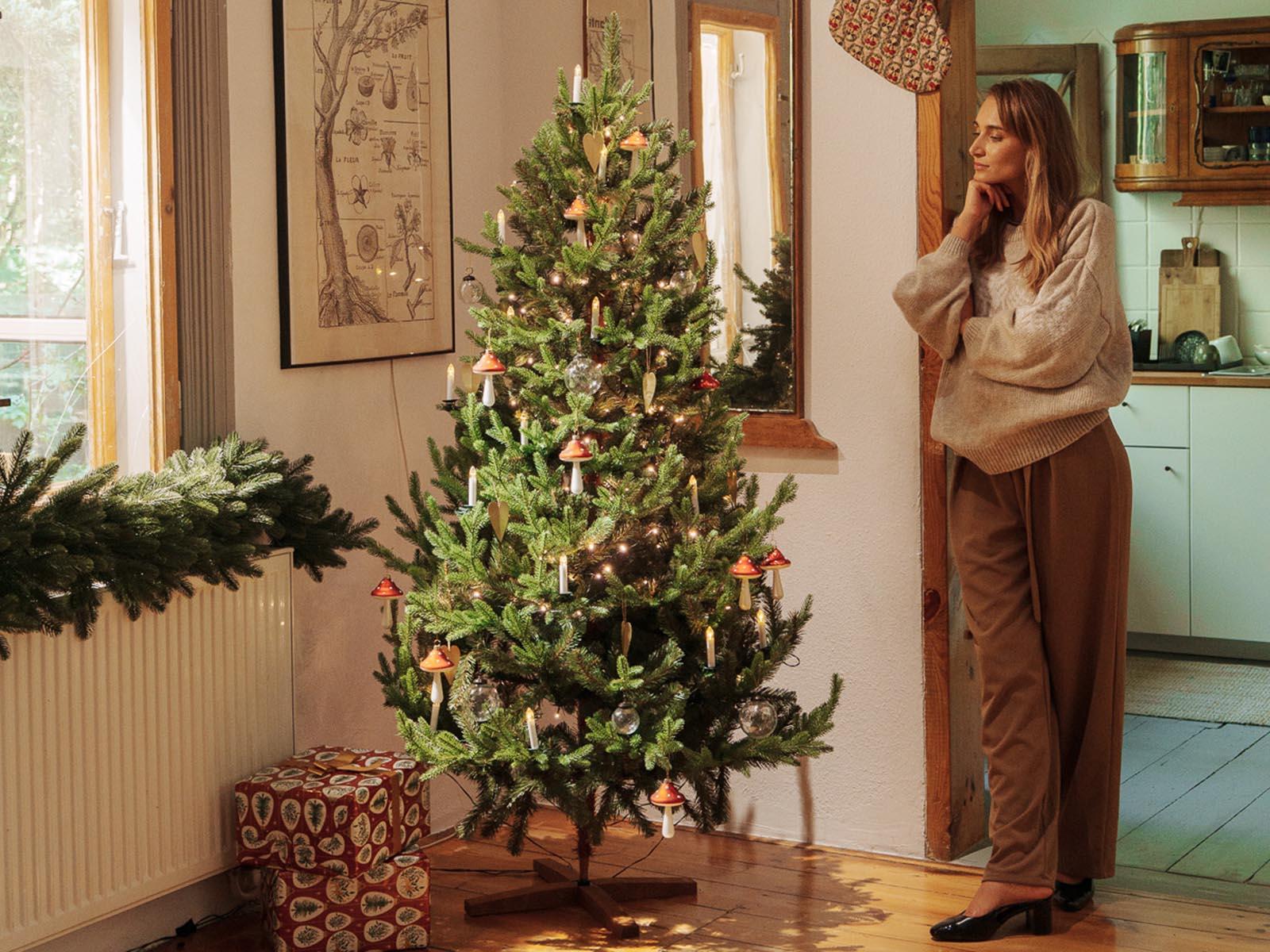
Just yesterday, the house was filled with the aroma of spices and the lights were shining. Today, all that remains are open presents and a calendar that suddenly speeds up. Many people experience a drop in energy, sadness and a longing for ‘that something’ that lifted their spirits for a few weeks in January. This syndrome, known as ‘Post-Christmas Blues’, describes the moment when the holidays disappear overnight. The run-up to Christmas is often filled with high expectations and emotional anticipation, which can set the stage for disappointment once the festivities end. The good news is that it usually passes quickly, and a few simple steps can significantly shorten this period.
- The term 'post-Christmas blues' refers to the temporary melancholy that can follow the end of the Christmas and New Year period. It often occurs when the decorations, gatherings and intense emotions of the festive period disappear and routine returns.
- Several factors usually come into play: the decline in euphoria following a period of excitement; fatigue from the preparations; and the winter weather, which lacks light. Added to this is the emptiness left behind when loved ones leave, and the symbolic 'extinguishing' of the festive mood when the Christmas tree is taken down.
- Taking care of sleep, exercise and light, as well as planning small pleasures for the future, can help with a smooth transition to everyday life. It is also helpful to treat post-holiday cleaning as a ritual rather than a race and avoid extinguishing the magic with one final action.
The most confusing thing is the contrast: nothing bad is happening, yet it feels difficult inside. Your mood drops for no apparent reason and every ‘normal’ activity suddenly feels like a chore. This emotional shift is influenced by several factors, including changes in routine, social interactions, financial pressures, and even physical fatigue.
Do you recognise this state? It’s not an excuse. You’re simply reacting to the end of an intense period that dominated your attention, emotions and daily schedule for weeks. Not everyone experiences post-Christmas blues in the same way, and the post-holiday blues can affect anyone, regardless of whether they celebrate the holidays or not.

What does the term 'Post-Christmas Blues' actually mean?
The ‘post-Christmas blues’ (also known as the ‘post-holiday blues’, but more commonly in the context of holidays) is the term used to describe temporary melancholy after Christmas, particularly during the last week of the year and the first few days of the new year. The post holiday season, which follows the festive celebrations, is often marked by a decline in mood and emotional well-being. 'Post Christmas blues' is a specific form of post-holiday blues that occurs during or after the holiday season, characterized by anxiety, sadness, or stress triggered by the end of festivities. It is typically short-lived and directly related to the timing and duration of the holiday period. It often occurs when the decorations, gatherings and intense emotions of the festive period disappear and routine returns.
You may experience a drop in mood, a plummet in energy levels, nostalgia for the holiday atmosphere and a sudden perception of everyday life as grey and noisy. This is a natural reaction to the stress associated with the post Christmas period, when the excitement fades and normal routines resume.
Important detail: this state usually passes quickly. The body reacts to the change in pace and stimuli, not the ‘real end of joy’. For most people, the post-holiday blues remain a normal, temporary emotional reaction. The most important thing is to understand your own feelings and needs, and to recognise that these are difficult moments. This is the first step in coping with the ‘post-Christmas blues’.
What are the most common symptoms?
-
Decreased motivation
-
Lower energy levels
-
Irritability and apathy
-
Feeling empty after gatherings
-
Longing for the ‘magic’ of Christmas
-
More difficult mornings, poorer sleep and a lack of desire to be active
-
Anxiety
These signs do not necessarily mean anything serious. Rather, they indicate that the body is trying to regain its balance after an intense period. After the holidays, levels of 'feel-good' hormones like oxytocin drop as social bonding decreases, and the brain experiences a crash in dopamine and cortisol following the excitement of the season. This hormonal shift can contribute to symptoms like anxiety and feeling sad. Often, making small changes to your daily habits is enough to see the first signs of improvement in your energy levels and mood. Feeling weak and lacking in energy is normal after an intense period.
Where does post-holiday sadness come from?
The 'Post-Christmas Blues' rarely have a single cause. Several mechanisms usually come into play at once, each of which can have a strong impact on your mood.
The difference between imagination and reality
Often, our ideas about the holidays are like a fairy tale, full of magic, perfect moments with family and friends, beautiful decorations and joyful gatherings. However, reality can be different, which can lead to disappointment. This gap between expectation and reality can cause emotional pain, especially when unmet expectations create a sense of emptiness or social rejection. Holiday stress can also contribute to these feelings, making it harder to manage mental well-being during and after the festive season. Many people wonder why the holidays are not what they expected, which intensifies their feelings of sadness and frustration. When reality deviates from these expectations, it becomes difficult to accept the situation.
A sudden drop in euphoria and adrenaline
Immediately after Christmas, there is a sharp drop in energy levels and mood. The run-up to Christmas is filled with anticipation and excitement, as people prepare for the holidays and look forward to celebrations. This is closely related to the brain’s reward system: during the holiday season, dopamine levels rise significantly, resulting in an increase in mood and motivation. Major events like New Year's Eve and year's eve add to the festive high, with social gatherings and celebrations that further elevate emotions. However, once the festivities are over, including New Year's Eve, dopamine levels return to normal, which can lead to feelings of emptiness, as well as a drop in energy.
December goes by quickly with all the planning, shopping, dinners, meetings, travel and conversations. The brain receives a constant stream of stimuli and the body works at an increased pace. When this period ends, emotions decline sharply. Instead of excitement, silence ensues and the body switches to ‘normal’ mode, which many people experience as emptiness and fatigue.
Stress and exhaustion from preparations
The holidays can only be tiring after the event. Before then, adrenaline kicks in: buying gifts, cooking, cleaning, solving logistical problems and entertaining guests. The stress of Christmas preparations can lead to feelings of weakness and exhaustion. These affect your daily functioning and well-being. It is only once everything is over that the body begins to 'let go' – then come fatigue, mood swings and irritability.
Remember that you have the right to take care of your own needs. If you need a rest, take it. This will help you to regain your balance more quickly.

A feeling of emptiness and loneliness
During the holidays, we often feel closer to our family and friends, and the moments spent together around the Christmas table evoke strong emotions and a sense of community. But when our loved ones leave, the house becomes quiet. The conversations, laughter and presence of others suddenly disappear, and the decorations cease to provide a backdrop for our time together. For many people, it is this change that has the strongest impact on their mood. Feeling empty and lonely after the holidays is a natural reaction to the loss of the intense social contact that accompanied the Christmas period.
Winter weather and lack of light
The holidays end quickly, but winter remains. Short days, cloudy skies and reduced outdoor activity can lower energy levels. January often falls in the middle of the 'little light, lots of responsibilities' season, so the conditions for a decline in mood are perfect. After the intense holiday period, the body needs time to recover, and a lack of physical activity and frequent indoor living can exacerbate feelings of sadness.
Traditions, symbolism and pace: cleaning up and taking down the Christmas tree
Taking down the Christmas tree marks the end of the festive season. For some, it brings relief; for others, it removes the last magical element of winter. In many cultures, the holiday season does not end until 6 January, the Feast of the Epiphany, and in some places it continues even later than this. In Sweden and Finland, the Christmas tree season symbolically ends on 13 January with the tradition of 'Knut's Day'.
You don't have to do it all in one evening. If ending the festive period suddenly makes you feel worse, take a more gradual approach.
How can you end the holidays more gently, without feeling empty?
-
Leave the lights up for a few more weeks and treat them as winter lights rather than Christmas decorations.
-
Spread the tidying up out over several days: one day for the gift boxes, another for the decorations and the day after that for the tree itself.
-
Replace some of the decorations with winter accents, such as candles, natural twigs and light-coloured textiles. Your home will still look cosy, and the festive season won’t suddenly disappear.
-
Some people even leave their Christmas tree up for longer and decorate it for different seasons, such as Valentine’s Day or spring. If this kind of creativity lifts your spirits, go for it!
The most important thing is to find your own way of easing back into everyday life – sometimes it helps to plan a few small activities after the holidays to give you something to look forward to. Creating a simple ‘after the holidays’ plan with scheduled activities can significantly improve your mood and make it easier to return to your daily responsibilities.

How can you alleviate the Post-Christmas Blues and take care of your mental health? 10 practical strategies
Simplicity is key. You don’t need to make sweeping changes; just a few activities to help you enjoy January will suffice. Simple ways to improve your mood after the holidays can be very helpful. Remember, prioritizing self care, emotional well being, and mental well being during the post-holiday period is essential. Try one of these strategies to see how a small change can help you regain your balance faster.
-
Plan something nice for the future. January won’t feel so overwhelming when you have something to look forward to. It can be something small, like a trip out of town, a film, a new book, picking up a hobby again or signing up for a class. The goal doesn’t have to be big; it just has to be realistic and achievable.
-
Give yourself time to adapt. Don’t expect to get back into the swing of things immediately. If possible, allow yourself a little ‘buffer zone’ between the end of the holidays and the full resumption of your responsibilities. Have a quiet weekend where you tidy up the house at a leisurely pace and rest without a to-do list.
-
Go back to basics: sleep, food and exercise. It sounds trivial, but it works. Go to bed and get up at the same time every day, limit screen time before bed and eat regular meals. Add a daily walk, even if it’s just for a short time. Exercise and daylight can boost your energy levels faster than you expect. Also, consider a balanced diet that affects your mood.
-
Catch the light whenever you can. If the days remain dark, make sure you catch the moments when the sun is shining. Go out at noon, sit by the window or walk to the shop. Every dose of daylight helps your body ‘set’ its circadian rhythm.
-
Don’t isolate yourself after the holidays. After intense gatherings, a natural quiet period follows, but don’t shut yourself off completely. Maintaining social connections and nurturing your social connections are important for emotional well-being. Stay connected with loved ones and friends – having honest conversations and sharing your emotions will really help to improve your mood after the holidays. Plan one specific meeting in January, such as going for coffee, going for a walk or visiting loved ones. Instead of scrolling through social media, call someone who brings you peace. Limiting your social media usage will help you to cope better with these emotions and focus on your own experiences. Limiting social media can also help avoid feelings of inadequacy and loneliness that often arise from the comparison trap.
-
Set yourself small, achievable, meaningful goals for the new year. The beginning of the year tempts us with grand resolutions, but disappointment can set in quickly. Instead of setting yourself ambitious goals, choose small, measurable steps such as two workouts a week, an hour without your phone each day and 10 minutes of morning stretching. Monitoring your progress towards these goals will help you stay motivated and improve your mood. A series of small successes builds a sense of agency, which effectively lifts your mood. Focusing on personal or family objectives that truly matter to you can help boost motivation and provide a sense of direction as you move past the holiday season.
-
Take care of ‘soft’ cleaning. After the holidays, it’s easy to fall into the habit of cleaning everything to perfection, as if the house had to look like a catalogue photo immediately. Choose cleaning tasks that calm you down rather than punish you, such as tidying up the kitchen, picking up the paper and making room in the living room. Leave the rest for later.
-
Separate nostalgia from pressure. You can miss the holidays and enjoy everyday life at the same time. These two feelings are not mutually exclusive. When you feel under pressure, for example when you think “I should already have energy”, replace it with a simpler sentence: ‘I’m getting back into the rhythm, step by step.’ Practicing self-compassion helps in acknowledging feelings of sadness as common reactions rather than personal failings.
-
Introduce a mini ritual instead of a big ‘end’. Make some tea, put on some calm music and light a candle. Do one small thing that you associate with warmth, but that isn’t obviously Christmas-related. Such a ritual acts as a bridge between seasons.
-
Look after your body when you’re feeling emotional. Sometimes your mood drops because your body is still recovering from the festive season. If you can, do something to help you relax and recharge: sleep in, take a bath, do some gentle stretching, get a massage or spend a day without making too many plans. Try to get some exercise or fresh air each day - even a short walk outside during daylight hours can help improve your mood and support your well-being.