
Unconventional Christmas traditions? KFC, Christmas, Japan and... fried fast-food chicken
It’s hard to find a more surprising symbol of a Christmas evening than… a bucket of fast-food chicken. And yet! In Japan, it has held a special place in the December imagination for years. Behind this peculiar image lies a story about the need for closeness and a special atmosphere. Don’t believe it? Read on!
-
In Japan, KFC chicken has become part of a December ritual that signifies a shared Christmas Eve. Today, millions of families order meal sets well in advance and treat them as an important part of the evening of December 24. The history of this phenomenon began in the 1970s, when KFC entered the Japanese market and later introduced a simple Christmas meal set.
- Christmas in Japan is celebrated differently than in the West - it is primarily commercial in nature and has no religious connotations. Only 0.7% of Japanese people are Christian, and most residents do not associate this period with the birth of Christ. Christmas in Japan is primarily an opportunity to spend time together, decorate homes, and go shopping.
- Today, the December scene in Japan features lines for holiday orders of gift sets and advance reservations, but also - take note - strawberry cake. The Japanese spend the evening of December 24th, planned in this way, in an intimate, close-knit atmosphere. Over the years, these traditions have evolved - traditional European-style Christmas markets are also gaining popularity, attracting both locals and tourists.
Christmas in Japan has long gone its own way. Japanese holidays are not based on the religious rhythm familiar from Christian countries, as less than 1% of the population identifies as Christian, and December 25 is not a public holiday there. Despite this, cities in December are lit up with thousands of lights, stores are preparing festive window displays, and restaurants and pastry shops have been taking seasonal orders for weeks.
Amidst this atmosphere lies a custom that sounds almost unbelievable to visitors. On December 24, thousands of families and couples pick up Christmas sets from KFC, often ordered many weeks in advance. The fast-food chain’s chicken has risen to become one of the most recognizable symbols of Japanese Christmas. To understand how this came about, we need to go back more than 50 years.
Table of Contents:
- How did the “Kurisumasu ni wa Kentakkii” campaign come about during the holiday season?
- Why did the Japanese adopt the tradition of eating Kentucky Fried Chicken for their Christmas dinner?
- How did eating KFC become part of the holiday tradition in Japan?
-
Japan celebrates Christmas not only at fast-food chains, but also… with a strawberry cake
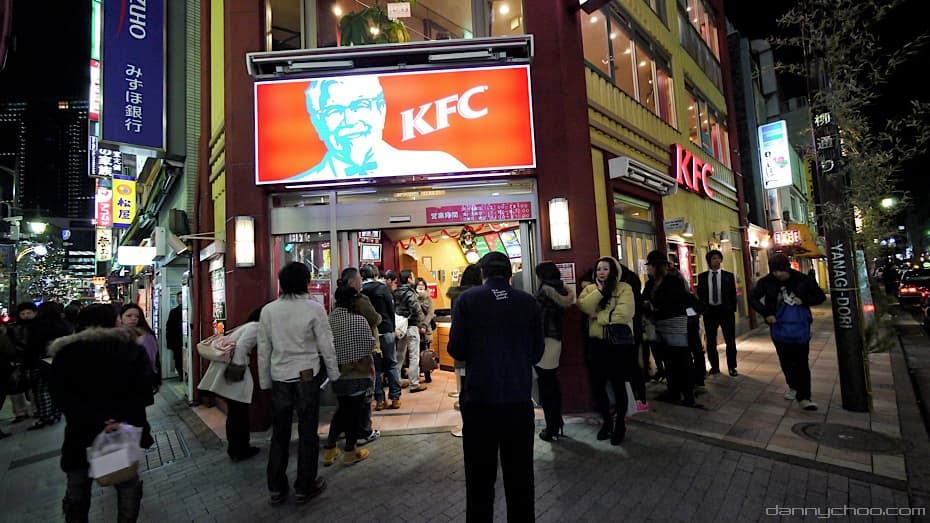
A line outside a KFC restaurant in Tokyo, Christmas 2010. Source: Danny Choo / Wikimedia Commons (license: CC BY-SA 2.0).

How did the “Kurisumasu ni wa Kentakkii” campaign come about during the holiday season?
The story dates back to 1970, when KFC opened its first restaurant in Japan - in Nagoya. The chain quickly drew attention as an American brand strongly associated with Western-style dining.
According to urban legend, Takeshi Okawara, a manager associated with the first KFC restaurants in Japan, was the originator of this tradition. Okawara allegedly overheard a conversation between foreigners complaining that they couldn’t find a turkey for Christmas in Tokyo - in the 1970s, turkeys were virtually nonexistent in Japan. And since turkey was hard to come by, chicken could take its place in the festive imagination.
In 1974, KFC Japan launched a marketing campaign under the slogan “Kentucky for Christmas,” which promoted fried chicken as the perfect holiday dish. The campaign’s slogan became “Kurisumasu ni wa Kentakkii!” - a phrase that quickly caught on in the culture.
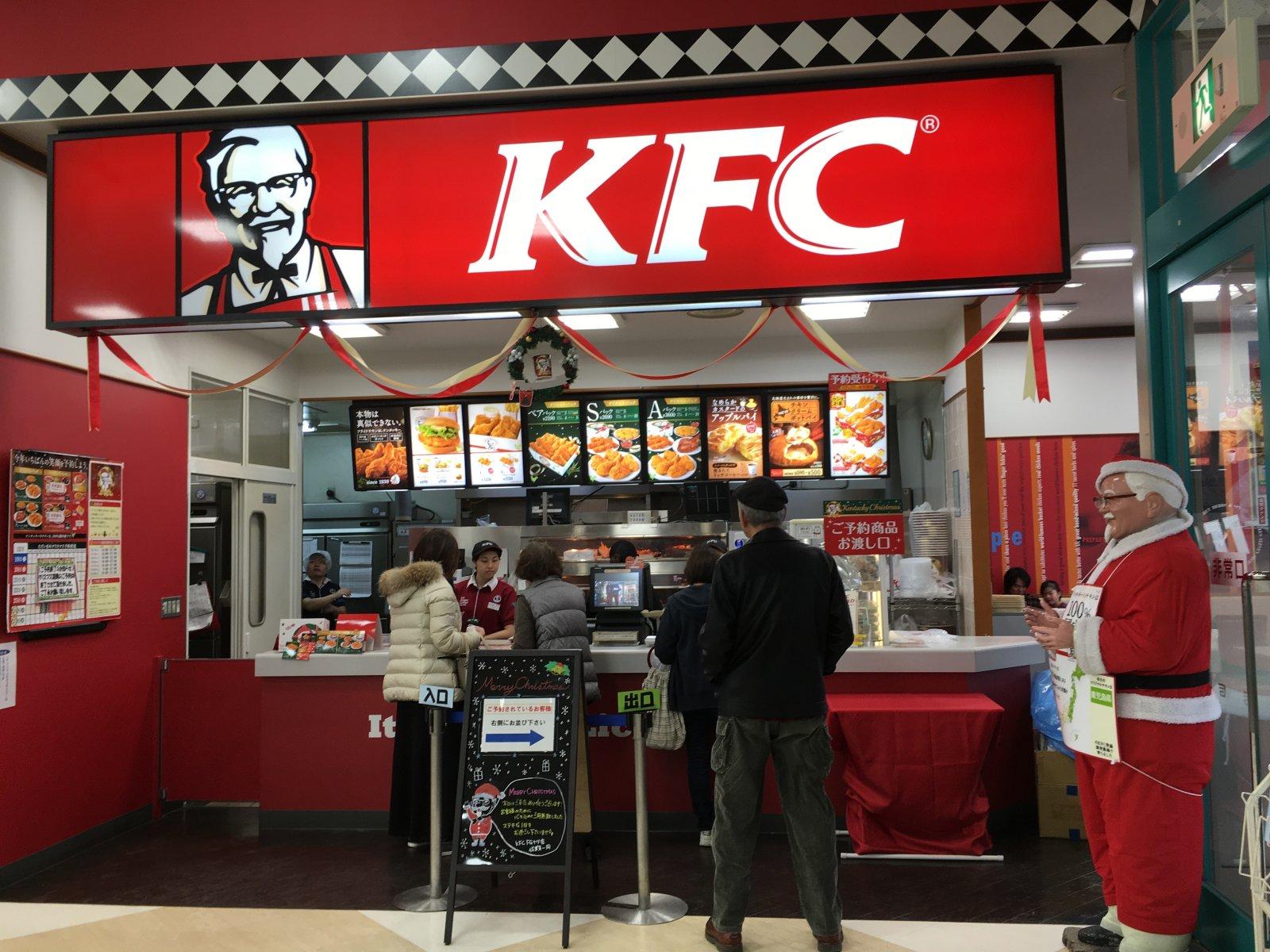
People stand in a long line outside a KFC restaurant on a street in Tokyo during Christmas in 2010. Source: kennejima / Wikimedia Commons (license: CC BY 2.0).

The first Christmas set included 8 pieces of fried chicken and sides such as a salad and a bottle of wine. It cost 2,920 yen, or about $10 in mid-1970s terms - a significant amount. Despite the price, the sets were met with great interest. Customers were getting something they had previously lacked: a simple plan for Christmas Eve. Instead of coming up with new traditions on their own, they could rely on a ready-made scenario that combined warm food, a touch of Western style, and a sense of participating in something modern and festive.
Why did the Japanese adopt the tradition of eating Kentucky Fried Chicken for their Christmas dinner?
In Japan, Christmas is secular in nature - the festive atmosphere is very distinct, but it does not stem from the religious calendar. It is created by the lights and decorations on the streets of Tokyo, Osaka, and Yokohama, seasonal sweets, and communal dining. Japanese Christmas illuminations attract millions of visitors: one example is the Blue Cave in Shibuya, where thousands of lights illuminate the streets, creating a magical atmosphere. Hotels, department stores, and restaurants foster an atmosphere of coziness, elegance, and a touch of festive glamour.
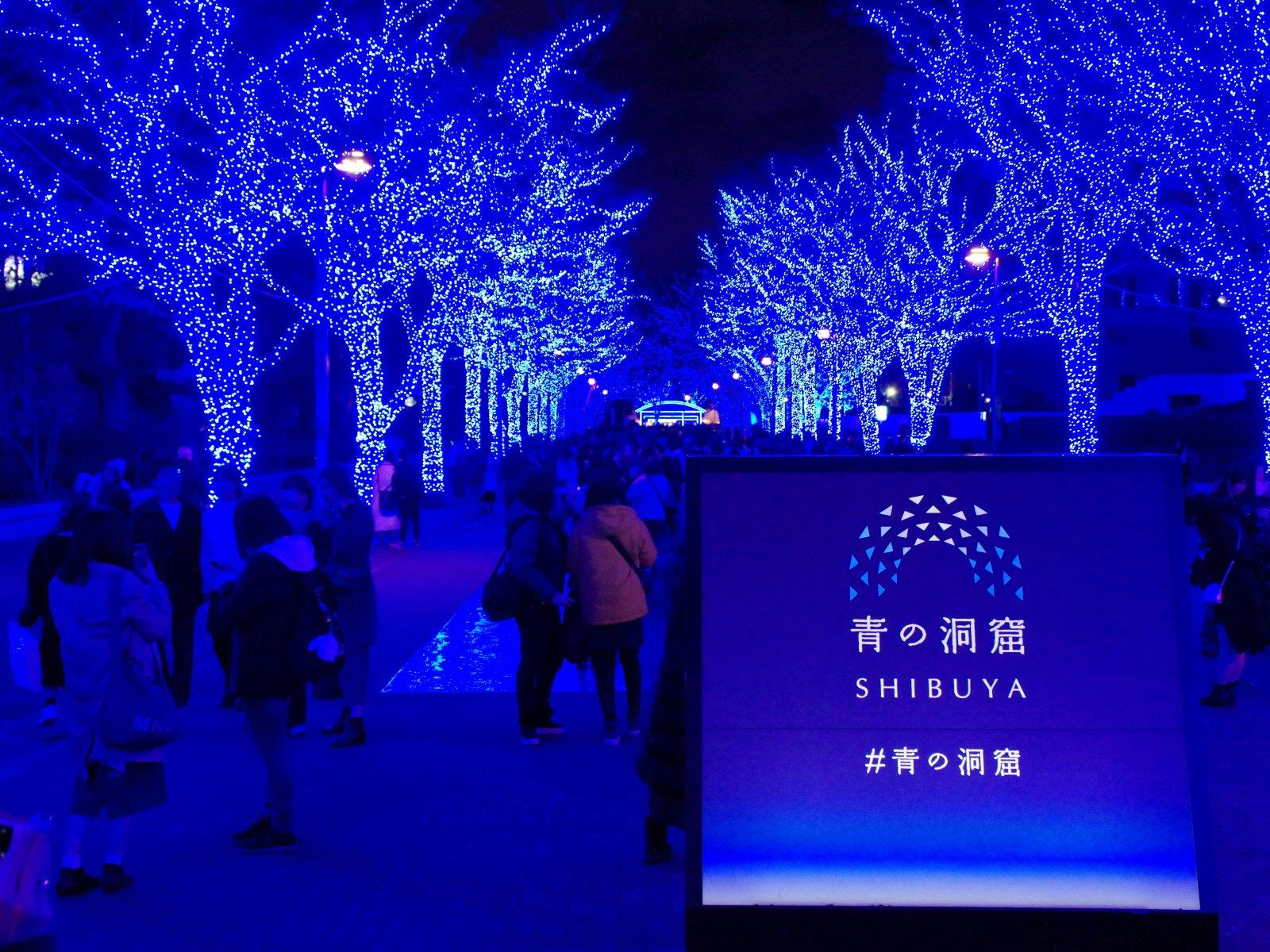
A tree-lined avenue in Tokyo illuminated by bright blue LED lights, creating a festive display in the Shibuya area known as the Blue Cave. Source: Nagatoshi Shimamura / Unsplash (Unsplash License).
In such a setting, it was easy to establish a tradition that could be easily repeated every year. The KFC holiday meal quickly became a staple of the evening of December 24. You placed your order in advance, picked it up at a designated time, and brought it home without much preparation.
The form of the meal itself was also significant. Chicken is easy to place on the table and share among several people, which is why it fit well into the homey, informal way of celebrating. In the reality of big cities, the fast pace of life, and the secular nature of Christmas, this tradition had the conditions to endure. After a few decades, the bucket of chicken ceased to be a novelty and began to be associated with December 24th just as strongly as other seasonal images of December.
The very image of Western Christmas that existed in Japan was also important. For many people, Christmas meant lights, elegant packaging, enjoyment, gifts, and time spent together. It wasn’t about recreating a religious ritual, but about creating their own version of December warmth. Because Christmas in Japan is an opportunity to gather with both family and friends, and for some people, it’s also time off from work.
How did eating KFC become part of the holiday tradition in Japan?
After several decades, this custom has reached a scale that is truly impressive.
It is estimated that approximately 3.6 million Japanese families order KFC every year. During the holiday season, KFC Japan generates about ten times more revenue than on regular days. In the period from December 20 to 25, 2018 alone, KFC earned nearly $63 million in Japan, demonstrating the immense popularity of the brand’s fried chicken and holiday menu. Many people place their orders as early as October, as the most popular meal sets and pickup times sell out very quickly.
The peak demand occurs on December 23 and 24. That is when long lines form outside the restaurants, and wait times can reach up to two hours. People participating in this tradition often share their personal experiences - picking up their pre-ordered boxes, carrying them through the festively decorated streets, and returning home with them.
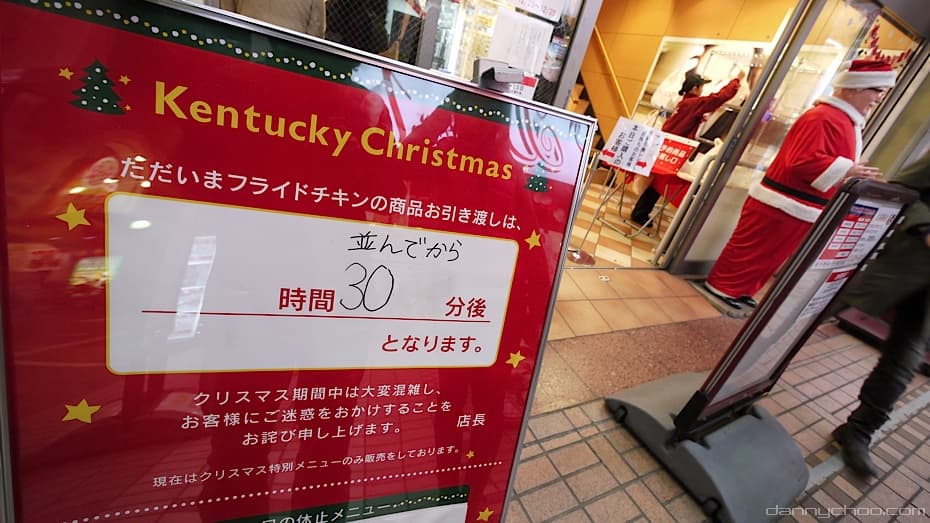
A sign indicating a 30-minute wait for KFC’s Christmas special offer in Tokyo, Christmas 2010. Source: Danny Choo / Wikimedia Commons (license: CC BY-SA 2.0).

The volume of traffic is so high that during the holidays, office staff and managers also pitch in to help serve customers. Restaurants prepare special sets with sides, cake, and seasonal packaging, and Colonel Sanders dressed as Santa Claus often stands at the entrances.
Japan celebrates Christmas not only at fast-food chains, but also… with a strawberry cake
Alongside KFC chicken, two other symbols have firmly established themselves in Japanese Christmas: strawberry cake and the evening of December 24th, celebrated in a more romantic than family-oriented atmosphere. The Japanese drew inspiration for these customs from Western traditions, and during the holiday season in Japan, you can find a wide variety of festive items - from decorations and gifts to special dishes and desserts. It is these very elements that best illustrate just how much the local holidays have forged their own path.
The Christmas strawberry cake as the second symbol of Christmas
Chicken isn’t the only star of the Japanese holiday season. Kurisumasu keeki, or the Japanese Christmas cake, also holds a very important place. It’s a typical Christmas Cake - a festive cake available in many places - consisting of sponge cake layered with whipped cream and fresh strawberries.
In 1910, Fujiya Confectionery in Yokohama began selling the first Japanese Christmas cake, which was a simple English fruitcake. The popularity of Kurisumasu keeki grew thanks to an advertising campaign in the 1960s that promoted the cake with whipped cream and strawberries as a luxury product for special occasions. The inspiration for this dessert came from Western Christmas traditions.
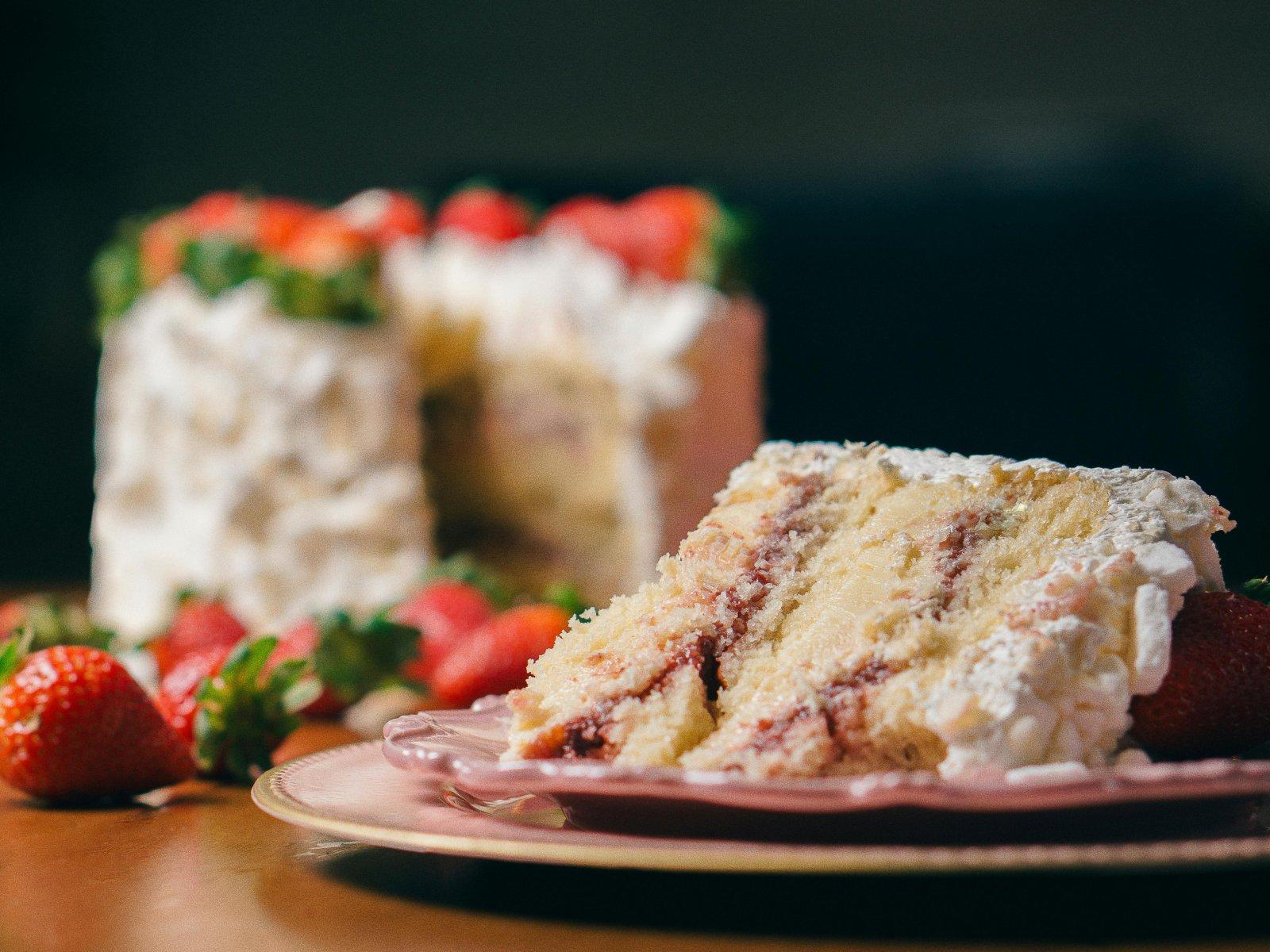
Christmas cake with strawberries. Source: Geovane Souza / Pexels (Pexels License).
The cake fit perfectly with the Japanese way of celebrating the holidays. It looked festive, was easy to order, and immediately gave the evening a celebratory atmosphere. The colors were also important. The white of the cream and the red of the strawberries caught the eye and created a dessert that looked great on the holiday table. The unique flavor of this Christmas cake, its tenderness, and its aroma make it a popular choice among the Japanese during the Christmas season.
With economic growth and improved availability of ingredients, the cake has become a common item in December shopping. Today, it can be ordered at bakeries, supermarkets, department stores, and even convenience stores. Many people do this well in advance, just as they do with the Christmas chicken.
Why does Christmas in Japan feel like Valentine's Day?
It gets even more interesting when you look at the emotional significance of December 24 in Japan - it often has a... romantic character! Couples reserve tables at restaurants, planning a romantic evening - lovers often go for a walk amid the holiday lights or head to a restaurant, treating this day as a special occasion to be together. Cities prepare beautiful decorations for this night. Shopping centers, hotels, and streets create an atmosphere conducive to dates, shared photos, and quiet dinners.
This romantic tone doesn’t exclude the family aspect of the holidays, but it shifts the focus significantly. Christmas doesn’t have to mean just one type of gathering. There are many ways to spend the holidays - for some, it will be an evening with family and a festive spread on the table; for others, a dinner for two, a gift, and a stroll through the illuminated city.
In Japan, however, New Year’s is the most important family holiday, when families gather, visit shrines, and celebrate traditions. In both cases, what remains important is the same: the warmth of togetherness and the desire to pause for a moment in the middle of winter.
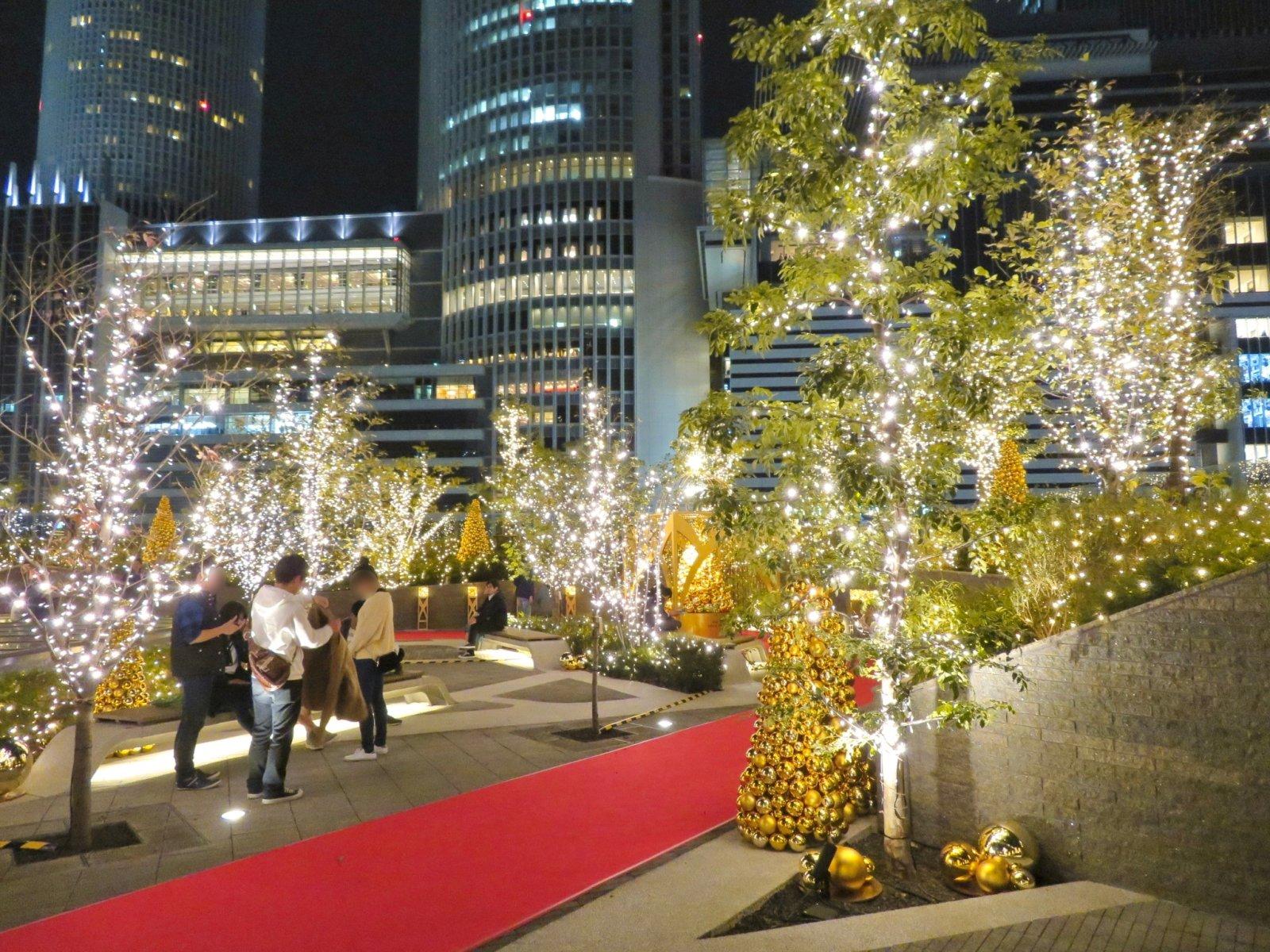
Christmas lights at the Sky Garden on the 5th floor of the Dai-Nagoya building. Source: KKPCW / Wikimedia Commons (license: CC BY-SA 4.0).

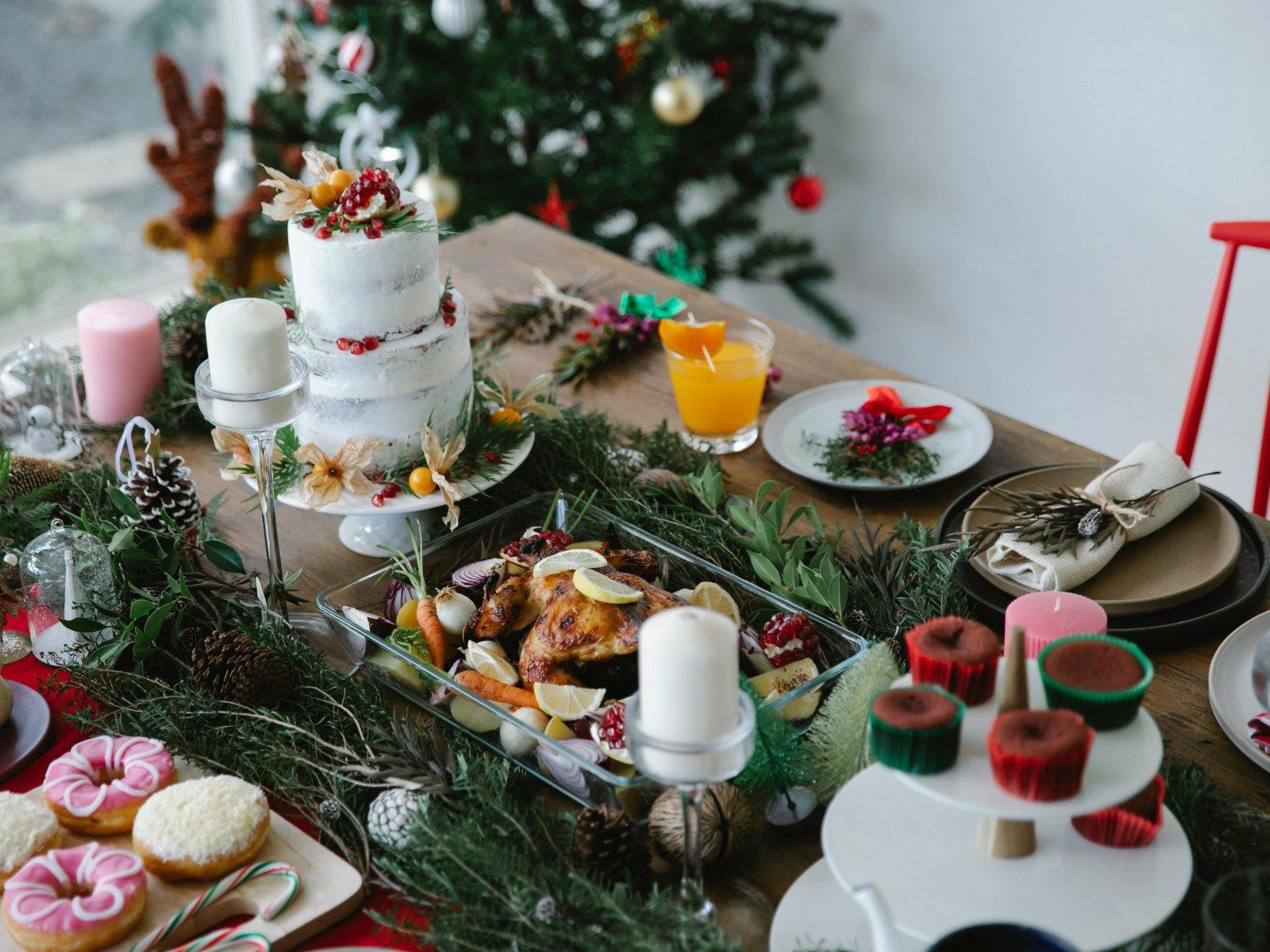
Main photo: A chicken and a Christmas cake for Christmas Eve, surrounded by an artificial Christmas tree. Source: Tim Douglas / Pexels (Pexels License).